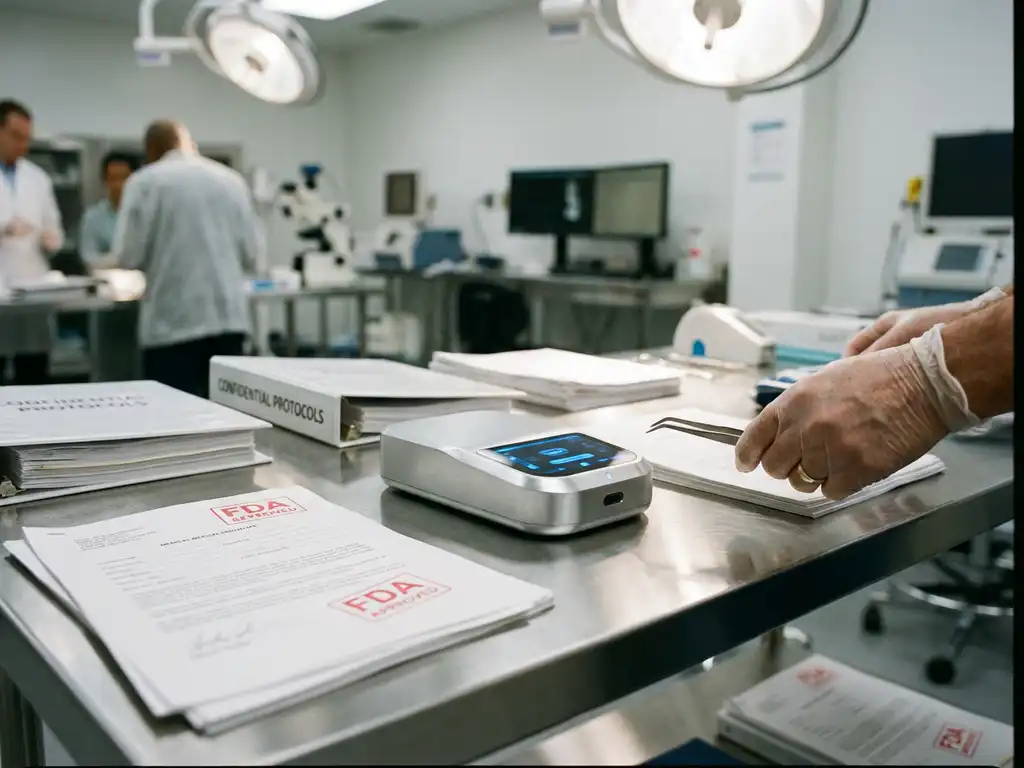
Breakthrough device designation accelerates regulatory approval by providing priority FDA review and enhanced communication for innovative medical devices that address unmet needs. This FDA pathway can significantly reduce approval timelines while offering additional benefits, such as expedited reimbursement pathways. Understanding how to qualify for and successfully obtain this designation is crucial for medical device companies seeking faster market access.
What is a breakthrough device designation and how does it work?
Breakthrough device designation is an FDA program that expedites the review process for innovative medical devices that treat life-threatening or irreversibly debilitating conditions. The device must offer significant advantages over existing treatments or provide treatment where no adequate alternatives exist.
The program works by creating a more direct communication channel between device manufacturers and FDA reviewers. Once granted, companies receive priority review status and enhanced FDA guidance throughout the regulatory process. The FDA established this pathway in 2016 to help patients access breakthrough medical technologies more quickly while maintaining safety and effectiveness standards.
Eligibility requires demonstrating that your device addresses an unmet medical need for a serious condition. The FDA evaluates whether the device represents a breakthrough technology that offers substantial improvement over existing alternatives. This assessment considers clinical benefit, innovative design, and the severity of the condition being treated.
The designation fundamentally changes how the FDA approaches your device approval process. Instead of standard communication timelines, you receive priority scheduling for meetings and faster response times for submissions. This enhanced interaction helps identify potential regulatory issues early and provides clearer guidance on clinical trial design and approval requirements.
How much faster is the approval process with breakthrough device status?
Breakthrough device designation can reduce FDA review times by several months compared with standard pathways. Priority review typically shortens the process by 30–50%, though exact timelines depend on device complexity and clinical evidence requirements.
The acceleration comes through multiple mechanisms. The FDA commits to more frequent and timely communication, often responding to queries within 60 days rather than the standard 180-day timeline. Pre-submission meetings receive priority scheduling, allowing faster resolution of regulatory questions that might otherwise delay submissions.
Enhanced FDA communication represents the most significant time-saving element. Regular interaction helps prevent common delays caused by insufficient clinical data or unclear regulatory pathways. The FDA provides more detailed guidance on clinical trial design, potentially reducing the need for additional studies that could add months or years to development timelines.
Streamlined clinical requirements may apply in certain cases. The FDA might accept alternative clinical endpoints or smaller study populations when traditional trials would be impractical. This flexibility particularly benefits devices treating rare conditions, where large clinical trials are challenging to conduct.
The cumulative effect of these accelerated components often results in market access 6–12 months earlier than standard approval pathways. However, the designation does not guarantee approval or eliminate the need for robust clinical evidence demonstrating safety and effectiveness.
What types of medical devices qualify for breakthrough designation?
Medical devices that treat life-threatening or irreversibly debilitating conditions qualify for breakthrough designation when they offer significant advantages over existing treatments. Both therapeutic and diagnostic devices across all risk classes can potentially receive this designation.
Therapeutic devices that commonly qualify include innovative surgical instruments, implantable devices for critical conditions, and novel treatment technologies. Examples include advanced cardiac devices, neurological implants, and cancer treatment technologies that provide new therapeutic options for patients with limited alternatives.
Diagnostic devices qualify when they enable earlier detection or more accurate diagnosis of serious conditions. This includes advanced imaging technologies, molecular diagnostics for critical diseases, and artificial intelligence-powered diagnostic tools that significantly improve patient outcomes through better diagnostic capabilities.
Software-based medical devices increasingly receive breakthrough designation, particularly those using artificial intelligence or machine learning to address unmet clinical needs. Digital therapeutics and software that provide treatment recommendations for complex conditions often qualify when they offer substantial improvements over current standards of care.
The key qualifying characteristic is not device type but rather the clinical impact on serious conditions. The FDA evaluates whether your device addresses an unmet medical need and provides meaningful advantages over existing alternatives. Combination products, including drug-device combinations, also qualify when they meet these criteria.
What are the key benefits beyond faster approval times?
Breakthrough device designation provides enhanced FDA guidance, priority review status, and potential expedited reimbursement pathways. These additional advantages often prove more valuable than timeline reductions alone, creating significant competitive advantages in the market.
Enhanced FDA communication includes priority access to FDA experts and more frequent opportunities for interaction. This relationship helps navigate complex regulatory requirements and reduces uncertainty throughout the approval process. The FDA assigns senior reviewers to breakthrough devices, ensuring consistent and experienced oversight.
Priority review extends beyond initial approval to post-market requirements. The FDA prioritizes breakthrough device submissions for supplemental approvals, labeling changes, and other post-market modifications. This continued priority treatment supports faster product iterations and market expansion.
Expedited reimbursement pathways represent a crucial commercial advantage. Medicare’s Breakthrough Devices Coverage Pathway provides faster coverage decisions for designated devices. Private insurers often follow Medicare coverage decisions, potentially accelerating broader market access and adoption.
Increased investor confidence typically accompanies breakthrough designation. FDA recognition validates your technology’s innovation and market potential, often facilitating additional funding rounds. This external validation helps attract strategic partnerships and licensing opportunities that might otherwise require longer development timelines.
The designation itself becomes a powerful marketing tool, differentiating your device in competitive markets. Healthcare providers and patients recognize FDA breakthrough status as indicating significant clinical advancement, potentially accelerating adoption once approval is obtained.
How do you successfully apply for breakthrough device designation?
Successfully applying for breakthrough device designation requires comprehensive documentation demonstrating an unmet medical need and significant device advantages. The application should include detailed clinical evidence, a regulatory strategy, and a clear articulation of breakthrough characteristics.
Prepare thorough clinical evidence supporting your device’s breakthrough potential. This includes preliminary clinical data, literature reviews demonstrating an unmet medical need, and detailed comparisons with existing treatments. The FDA expects robust evidence that your device offers meaningful clinical advantages over current alternatives.
Document the unmet medical need clearly by describing the target condition’s severity and current treatment limitations. Include epidemiological data, patient burden information, and gaps in existing therapeutic options. The FDA must understand why current treatments are inadequate and how your device addresses these deficiencies.
Develop a comprehensive regulatory strategy outlining your planned clinical development program. Include proposed study designs, clinical endpoints, and regulatory milestones. The FDA evaluates whether your development plan can generate sufficient evidence for approval while leveraging breakthrough designation benefits.
Common application pitfalls include insufficient clinical evidence, unclear breakthrough advantages, and inadequate documentation of unmet need. Avoid overstating device benefits or making claims unsupported by available data. The FDA expects honest, evidence-based assessments of your device’s potential impact.
Consider engaging regulatory consultants experienced in breakthrough device applications. Professional guidance helps identify potential weaknesses and ensures your application meets FDA expectations. The quality of the application significantly influences the likelihood of success, making expert review valuable for maximizing your chances.
How Starodub Accelerates Your Breakthrough Device Success
Starodub provides comprehensive regulatory consulting services to maximize your breakthrough device designation success and accelerate FDA approval timelines. Our experienced team understands the complexities of breakthrough device applications and provides strategic guidance throughout the entire regulatory process.
Our breakthrough device designation services include:
- Pre-application assessment to evaluate your device’s qualification potential
- Comprehensive application preparation with detailed clinical evidence compilation
- Regulatory strategy development tailored to your specific device and indication
- FDA communication support throughout the review process
- Post-designation guidance to maximize program benefits
- Clinical trial design optimization to meet FDA requirements efficiently
Partner with our company to leverage our proven expertise in breakthrough device designation and transform your innovative medical device into a market-ready solution. Contact us today to discuss how we can accelerate your path to FDA approval and commercial success.
Related Articles
- Drug-Device Combination Products: Regulatory Framework Explained
- What does EMA mean in clinical trials?
- What are EMA requirements?
- Why is regulatory affairs important for biotech companies?
- What are the key differences between IVDR and MDR regulations?
This content was generated with the help of AI and it may contain mistakes