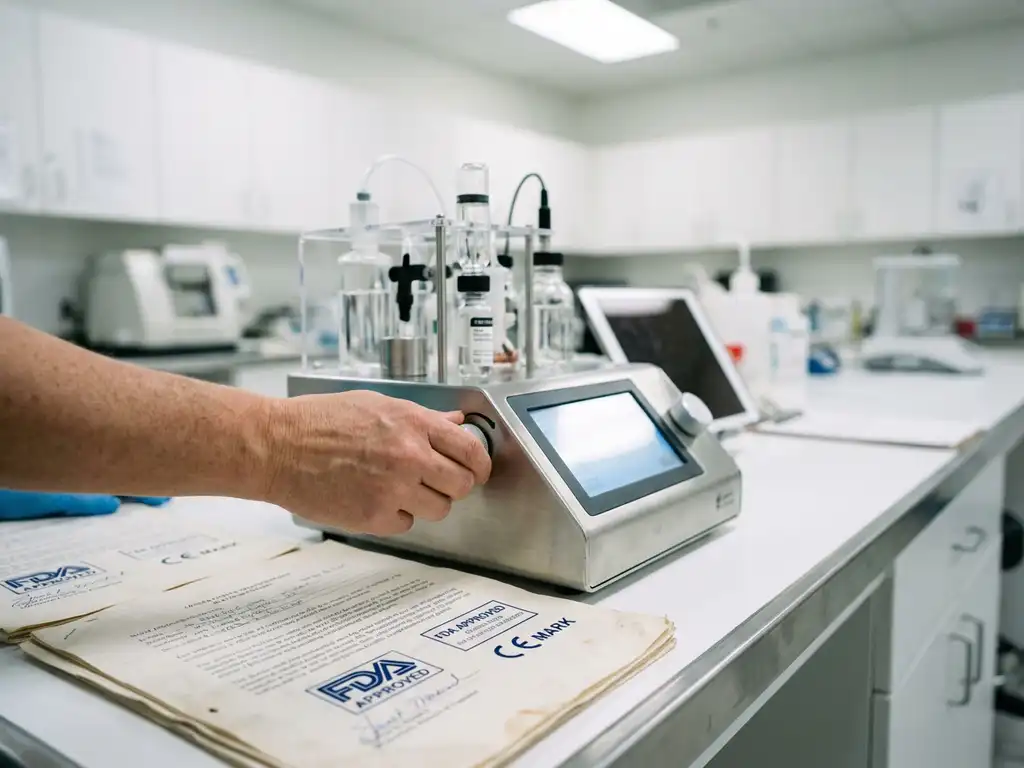
Navigating medical device regulations for combination products requires an understanding of their unique dual nature as both drug and device components. These products follow specialised regulatory pathways because they combine pharmaceutical and medical device elements, creating complex compliance requirements. Success depends on proper classification, choosing the correct regulatory route, and preparing comprehensive documentation that addresses both drug and device regulatory standards across different jurisdictions.
What exactly are combination products, and why are they regulated differently?
Combination products are therapeutic products that combine drugs, devices, or biological products in a single entity. Examples include drug-eluting stents, prefilled syringes, and inhalers that deliver medication. They require specialised regulatory approaches because they do not fit neatly into traditional drug or device categories, necessitating evaluation of both components simultaneously.
The regulatory complexity stems from their dual nature, which means they must satisfy requirements for both pharmaceutical and medical device components. This creates unique challenges because different regulatory bodies may have jurisdiction over different aspects of the same product. The primary mode of action typically determines which regulatory framework takes precedence, but both components must still meet their respective safety and efficacy standards.
Different jurisdictions handle combination products in varying ways. Some regions designate a lead regulatory pathway based on the dominant component, while others require parallel submissions to multiple regulatory bodies. This complexity requires careful planning and often specialised regulatory expertise to ensure all requirements are met while avoiding unnecessary delays or duplicate testing requirements.
How do you determine which regulatory pathway applies to your combination product?
The regulatory pathway depends primarily on identifying your product’s primary mode of action (PMOA). This involves determining whether the drug or device component contributes most significantly to the intended therapeutic effect. The component that contributes most to safety and efficacy typically determines the lead regulatory pathway and which agency has primary jurisdiction.
Begin by conducting a thorough analysis of how each component contributes to the overall therapeutic effect. Document the mechanism of action for both drug and device elements, considering factors such as dose delivery, duration of therapeutic effect, and contributions to the safety profile. The classification criteria vary between jurisdictions, so understanding regional differences is essential for selecting the appropriate pathway.
Consider your intended use and target patient population when making this determination. The same combination product might follow different pathways depending on its intended therapeutic application. Engage with regulatory authorities early through pre-submission meetings or scientific advice procedures to confirm your classification rationale and avoid potential disputes later in the development process.
What are the key differences between EU and US regulations for combination products?
The EU Medical Device Regulation (MDR) and FDA approaches differ significantly in their classification systems and approval pathways. The FDA uses a primary mode of action determination to assign products to either CDER (drugs) or CDRH (devices), while the EU typically classifies combination products under medical device regulations, with additional pharmaceutical requirements where applicable.
Under the MDR, most combination products are regulated as medical devices with additional requirements for the drug component. The device classification rules determine the conformity assessment route, while pharmaceutical components must comply with relevant medicinal product regulations. This often requires coordination between notified bodies and national competent authorities for the drug-related aspects.
The FDA’s approach involves designating a lead centre based on PMOA, with the other centre providing consultation. This creates a more streamlined review process but requires clear justification of the PMOA determination. Clinical trial requirements also differ, with the EU focusing on device-specific clinical evaluation alongside drug safety data, while the FDA may require integrated clinical studies addressing both components simultaneously.
How do you navigate the technical documentation requirements for combination products?
Technical documentation for combination products must address both drug and device components comprehensively. This includes preparing technical files that demonstrate safety and performance for the device aspects, alongside pharmaceutical quality documentation for the drug component. Risk management documentation must consider interactions between components and combined-use scenarios.
Your clinical evidence strategy should address how both components work together, not just individually. This may require clinical studies that evaluate the combination’s safety and efficacy, biocompatibility testing for device components in contact with the drug, and stability studies for the drug component within the device system. Quality system requirements must cover both pharmaceutical GMP and medical device quality management standards.
Prepare separate but coordinated documentation packages that can be submitted to different regulatory bodies as needed. This includes device technical files meeting MDR or FDA device requirements, pharmaceutical CTD modules for drug components, and integrated risk-benefit analyses. Ensure your documentation clearly explains the rationale for the combination product design and demonstrates that the benefits outweigh the risks for the intended use.
What common regulatory challenges should you prepare for with combination products?
Classification disputes represent one of the most significant challenges, particularly when the primary mode of action is unclear or when different regulatory bodies reach different conclusions. Interface issues between drug and device components can create regulatory gaps where neither traditional pathway fully addresses the product’s unique characteristics.
Clinical trial complexities often arise because traditional study designs may not adequately evaluate combination products. You may need to develop novel endpoints that assess both components’ contributions to efficacy, while managing increased complexity in study conduct and regulatory oversight. Manufacturing and quality control present additional challenges because you must satisfy both pharmaceutical and device manufacturing standards simultaneously.
Prepare for these challenges by engaging regulatory authorities early and often through pre-submission meetings and scientific advice procedures. Develop clear rationales for your regulatory strategy and be prepared to adapt based on feedback. Consider working with regulatory consultants who specialise in combination products, as their expertise can help navigate complex requirements and avoid common pitfalls that could delay approval or require costly modifications to your development programme.
How Starodub helps with combination product regulations
Starodub provides comprehensive regulatory support to navigate the complex landscape of combination product approvals across global markets. Our expertise spans both pharmaceutical and medical device regulations, enabling us to develop integrated strategies that address the unique challenges of dual-component products. We help clients with:
• Primary mode of action determinations and regulatory pathway selection
• Comprehensive documentation preparation for both drug and device components
• Cross-jurisdictional regulatory strategy development for EU, US, and international markets
• Clinical evidence planning that addresses combination product requirements
• Pre-submission meeting preparation and regulatory authority engagement
• Risk management strategies that consider component interactions and combined-use scenarios
Our specialised team understands the nuances of combination product regulations and can guide you through classification challenges, documentation requirements, and approval processes efficiently. Contact Starodub today to discuss how we can accelerate your combination product’s path to market while ensuring full regulatory compliance.
Successfully navigating combination product regulations requires early planning, a clear understanding of regulatory pathways, and comprehensive documentation that addresses both components’ requirements. The complexity of these products demands specialised regulatory expertise and proactive engagement with authorities to ensure efficient paths to market approval while maintaining compliance with all applicable standards. Our experienced team is ready to support your combination product development journey from initial classification through successful market approval.