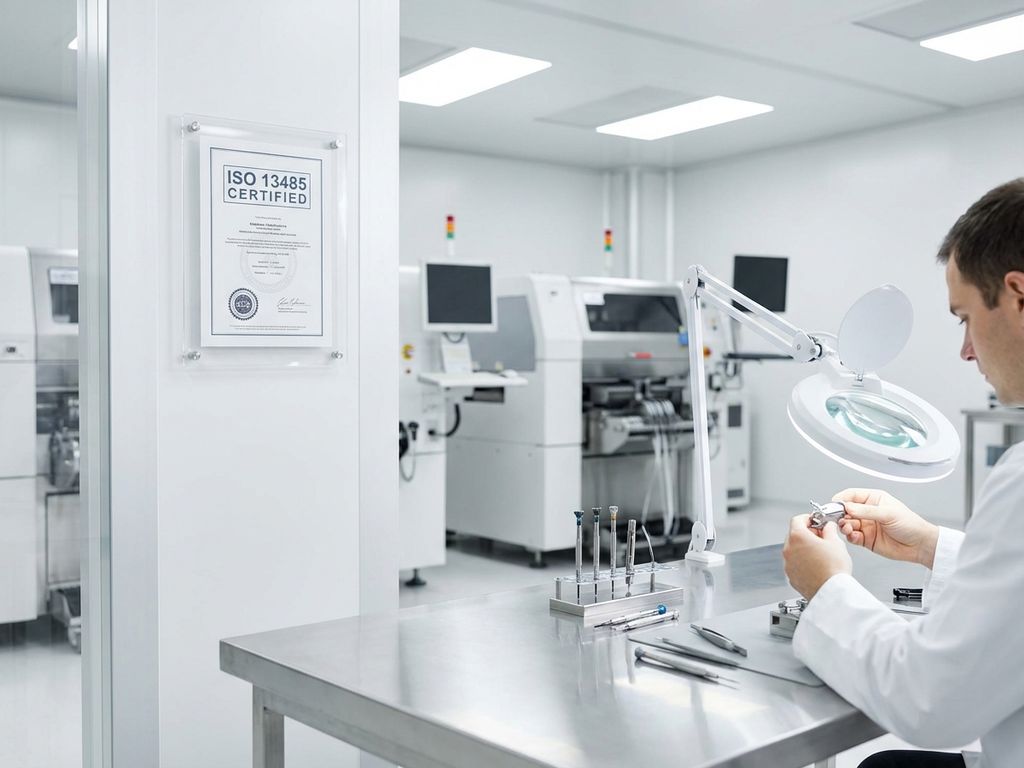
ISO 13485 certification provides medical device companies with enhanced regulatory compliance, improved product quality, streamlined market access, and operational efficiency. This internationally recognized quality management standard ensures systematic processes that reduce risks while meeting global regulatory requirements. Understanding these benefits helps companies make informed decisions about implementing this crucial certification.
What is ISO 13485 certification and why do medical device companies need it?
ISO 13485 is the international standard for quality management systems specifically designed for medical device organizations. Unlike the general ISO 9001 standard, ISO 13485 addresses the unique regulatory requirements and risk management needs of the medical device industry.
This certification establishes a comprehensive framework that covers the entire product lifecycle, from design and development through production, installation, and servicing. The standard emphasizes risk-based thinking and requires companies to maintain detailed documentation and traceability throughout all processes.
Medical device companies need ISO 13485 certification because it demonstrates their commitment to quality and regulatory compliance. Many countries require or strongly prefer this certification for market authorization. The standard provides a systematic approach to managing quality that helps prevent defects, ensures consistent manufacturing, and facilitates regulatory submissions worldwide.
How does ISO 13485 certification improve product quality and safety?
ISO 13485 certification enhances product quality and safety through its risk-based approach and systematic design controls. The standard requires companies to identify, assess, and mitigate risks throughout the product development process, leading to safer medical devices with fewer defects.
The certification mandates rigorous design controls that ensure products meet user needs and intended uses. These controls include design planning, input and output specifications, design reviews, verification, validation, and design transfer procedures. Each stage requires documented evidence that safety and performance requirements are met.
Additionally, the standard requires robust corrective and preventive action systems that help companies identify potential issues before they become problems. This proactive approach to quality management reduces the likelihood of product recalls, adverse events, and regulatory non-compliance issues that could compromise patient safety.
What regulatory advantages does ISO 13485 certification provide?
ISO 13485 certification significantly streamlines compliance with global medical device regulatory requirements, including FDA Quality System Regulation, EU Medical Device Regulation (MDR), and Health Canada guidelines. Many regulatory bodies recognize this standard as evidence of robust quality management systems.
The certification helps companies prepare comprehensive technical documentation required for regulatory submissions. The systematic documentation requirements align closely with regulatory expectations, making it easier to compile dossiers for market approval applications.
Regulatory inspections become more straightforward when companies maintain ISO 13485 certification. Inspectors can rely on the structured quality system documentation, and companies can demonstrate their commitment to continuous improvement and regulatory compliance. This often results in smoother inspection processes and fewer regulatory findings.
How does ISO 13485 certification impact market access and business growth?
ISO 13485 certification opens doors to global markets by demonstrating credibility and a commitment to quality to customers, distributors, and regulatory authorities. Many procurement decisions favor suppliers with recognized quality certifications, giving certified companies competitive advantages in tender processes.
The certification enhances supplier relationships within the medical device supply chain. Original equipment manufacturers often require their suppliers to maintain ISO 13485 certification, making it essential for companies seeking to participate in larger medical device projects.
International expansion becomes more feasible with ISO 13485 certification because it provides a foundation that meets multiple regulatory requirements simultaneously. Companies can leverage their certified quality management system to enter new markets more efficiently, reducing the time and cost associated with demonstrating compliance in different jurisdictions.
What are the operational benefits of implementing ISO 13485?
ISO 13485 implementation delivers substantial operational improvements, including enhanced process efficiency, reduced waste, and better resource utilization. The standard’s systematic approach helps companies identify inefficiencies and implement continuous improvement initiatives that reduce costs while maintaining quality.
Employee training and competency management improve significantly under ISO 13485 requirements. The standard mandates documented training procedures and competency assessments, ensuring staff understand their roles in maintaining product quality and regulatory compliance.
Documentation systems become more organized and accessible, facilitating better decision-making and knowledge management. The standard requires controlled documents and records that support traceability and accountability throughout the organization. This systematic approach to documentation reduces errors and improves communication between departments.
How Starodub helps with ISO 13485 certification implementation
We provide comprehensive support for medical device companies seeking ISO 13485 certification, combining regulatory expertise with practical implementation guidance. Our approach ensures your quality management system meets both certification requirements and business objectives.
Our ISO 13485 certification services include:
- Gap analysis to assess your current quality management system against ISO 13485 requirements
- Documentation development, including quality manuals, procedures, and work instructions
- Risk management system implementation aligned with ISO 14971 requirements
- Employee training programs covering quality system requirements and responsibilities
- Internal audit preparation and management review support
- Ongoing compliance support to maintain certification effectiveness
Ready to implement ISO 13485 certification for your medical device company? Contact us today to discuss how we can support your quality management system development and ensure successful certification that enhances your regulatory compliance and market access capabilities. Our experienced team provides tailored solutions that align with your specific business needs and regulatory requirements.
Related Articles
- When should a company outsource its regulatory submissions?
- What are the market access barriers specific to Latin America?
- Technical Documentation for Medical Devices: What to Include Under MDR
- CE Marking for Medical Devices: A Step-by-Step Guide
- What are EMA requirements?
This content was generated with the help of AI and it may contain mistakes