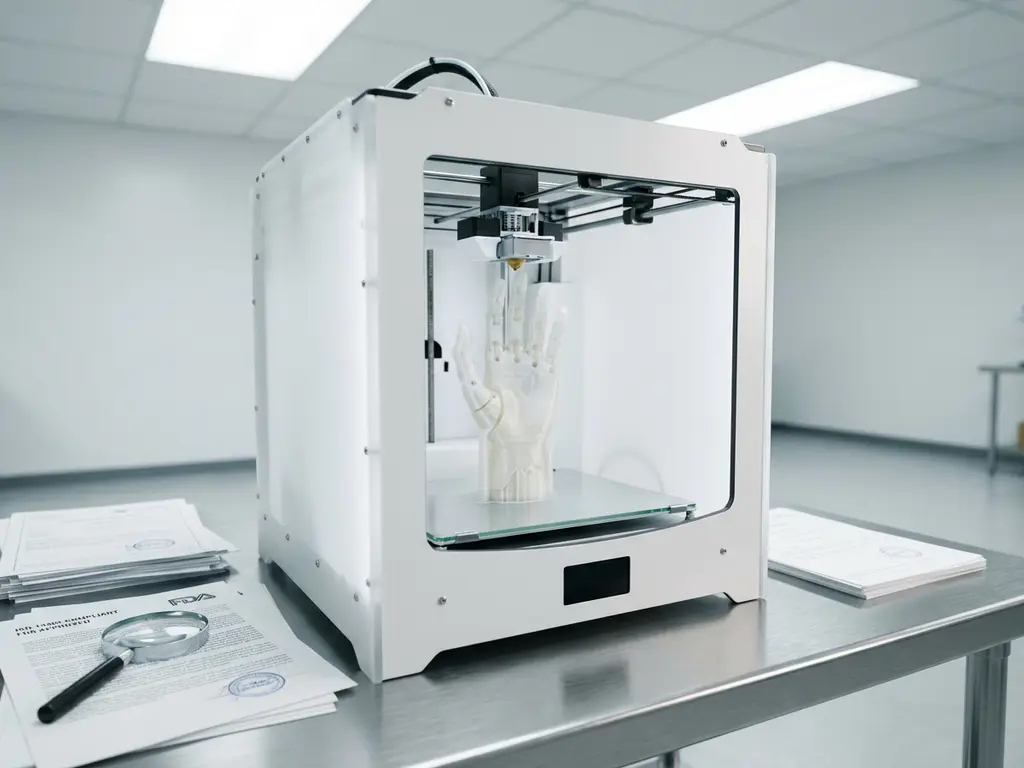
3D-printed medical devices face unique regulatory considerations due to their additive manufacturing processes, customisation capabilities, and material complexities. Unlike traditional devices, they require specialised quality controls, material validation, and compliance strategies. Regulatory pathways vary based on device classification, with manufacturers needing comprehensive documentation for materials, processes, and quality assurance measures.
What makes 3D-printed medical devices different from traditional devices?
3D-printed medical devices differ fundamentally from traditional devices because of their additive manufacturing process, which builds products layer by layer rather than removing material from larger blocks. This manufacturing method enables patient-specific customisation and complex geometries that are impossible with conventional techniques, creating distinct regulatory implications.
The customisation capabilities of additive manufacturing allow for patient-matched implants, surgical guides, and prosthetics tailored to individual anatomy. This personalisation potential introduces regulatory complexities around device validation, as each customised device may require specific documentation and approval considerations.
Differences in manufacturing processes create unique quality control challenges. Traditional devices typically use established manufacturing processes with predictable outcomes, whereas 3D printing involves variables such as print parameters, post-processing requirements, and material handling that can affect final device properties. These factors require comprehensive process validation and control measures.
The regulatory implications extend to classification considerations, as 3D-printed devices may not fit neatly into existing predicate device categories. The combination of novel manufacturing methods and customisation capabilities often requires manufacturers to provide additional evidence of safety and effectiveness compared to traditionally manufactured equivalents.
Which regulatory pathway should manufacturers follow for 3D-printed medical devices?
FDA regulatory pathways for 3D-printed medical devices follow the same classification system as traditional devices, with manufacturers choosing between 510(k) clearance, PMA approval, or De Novo classification based on device risk and predicate availability. The manufacturing method does not change the fundamental pathway selection criteria.
For Class I devices, manufacturers typically follow standard registration and listing procedures, though 3D printing may introduce additional documentation requirements. Class II devices generally pursue 510(k) clearance, requiring demonstration of substantial equivalence to predicate devices while addressing unique aspects of additive manufacturing.
Class III devices require PMA approval with comprehensive clinical data and manufacturing information. The additive manufacturing process adds complexity to PMA submissions, as manufacturers must thoroughly document process controls, material specifications, and quality systems specific to 3D printing technologies.
De Novo classification becomes relevant when no suitable predicate devices exist for novel 3D-printed devices or when the combination of customisation and manufacturing method creates a new device category. This pathway allows the establishment of new device classifications with appropriate regulatory controls.
Manufacturers should engage with the FDA through pre-submission meetings to discuss their specific regulatory strategy, particularly when dealing with patient-specific devices or novel applications of 3D printing technology in medical device manufacturing.
What quality control challenges are unique to 3D-printed medical devices?
Manufacturing consistency represents the primary quality control challenge for 3D-printed medical devices, as additive manufacturing processes involve numerous variables that can affect final product quality. Print parameters, environmental conditions, and material handling all influence device properties and require careful monitoring and control.
Material validation requirements extend beyond traditional material testing to include powder characteristics, storage conditions, and reuse protocols for powder-based systems. Each batch of raw materials requires verification of properties such as particle size distribution, flowability, and chemical composition to ensure consistent device performance.
Process controls must address unique aspects of additive manufacturing, including the effects of build orientation, support material removal, and post-processing procedures. These factors can significantly impact device mechanical properties, surface finish, and dimensional accuracy, requiring comprehensive validation and ongoing monitoring.
Quality assurance measures specific to 3D printing include regular calibration of printing equipment, validation of build parameters, and implementation of in-process monitoring systems. Traditional quality control methods may need adaptation or supplementation to address the layer-by-layer manufacturing approach.
Documentation requirements for 3D printing processes are extensive, covering everything from digital file management and version control to detailed records of print parameters and post-processing procedures. This documentation supports traceability and enables investigation of quality issues when they arise.
How do material considerations affect regulatory approval for 3D-printed devices?
Biocompatibility requirements for 3D-printed medical devices extend beyond base material properties to include material characterisation of the final printed form, as the additive manufacturing process can alter material behaviour and introduce new safety considerations through processing-related changes.
Material characterisation needs encompass both raw material specifications and finished device properties. The 3D printing process may affect material crystallinity, porosity, and surface characteristics, requiring comprehensive testing to demonstrate that biocompatibility is maintained throughout the manufacturing process.
Supplier qualification processes become more complex for 3D printing materials, as manufacturers must qualify not only material suppliers but also ensure consistent material performance across different batches and storage conditions. This includes establishing specifications for powder recycling protocols and material shelf life.
Documentation requirements for materials include detailed chemical composition, physical properties, and processing parameters that affect material behaviour during 3D printing. Manufacturers must also document any material modifications or additives used to optimise printing performance while maintaining biocompatibility.
The regulatory approval process requires demonstration that material properties remain consistent and appropriate for the intended use throughout the entire manufacturing chain, from raw material receipt through final device sterilisation and packaging. This comprehensive approach ensures patient safety while enabling the benefits of additive manufacturing technology.
How Starodub helps with 3D-printed medical device regulation
Starodub provides comprehensive regulatory support for manufacturers navigating the complex approval process for 3D-printed medical devices. Our expert team addresses the unique challenges of additive manufacturing through:
• Regulatory pathway assessment and FDA pre-submission strategy development
• Quality system implementation tailored to 3D printing processes
• Material validation and biocompatibility testing protocols
• Process validation and quality control framework design
• Documentation preparation for 510(k), PMA, and De Novo submissions
Contact Starodub today to streamline your 3D-printed medical device regulatory journey with proven expertise in additive manufacturing compliance strategies.
Related Articles
- How does the eCTD format work for regulatory submissions?
- What are EMA requirements?
- What are the emerging global medical device regulatory trends for 2026?
- What is the best regulatory strategy for medical devices in 2026?
- What documentation is required for FDA 510(k) submission?
This content was generated with the help of AI and it may contain mistakes