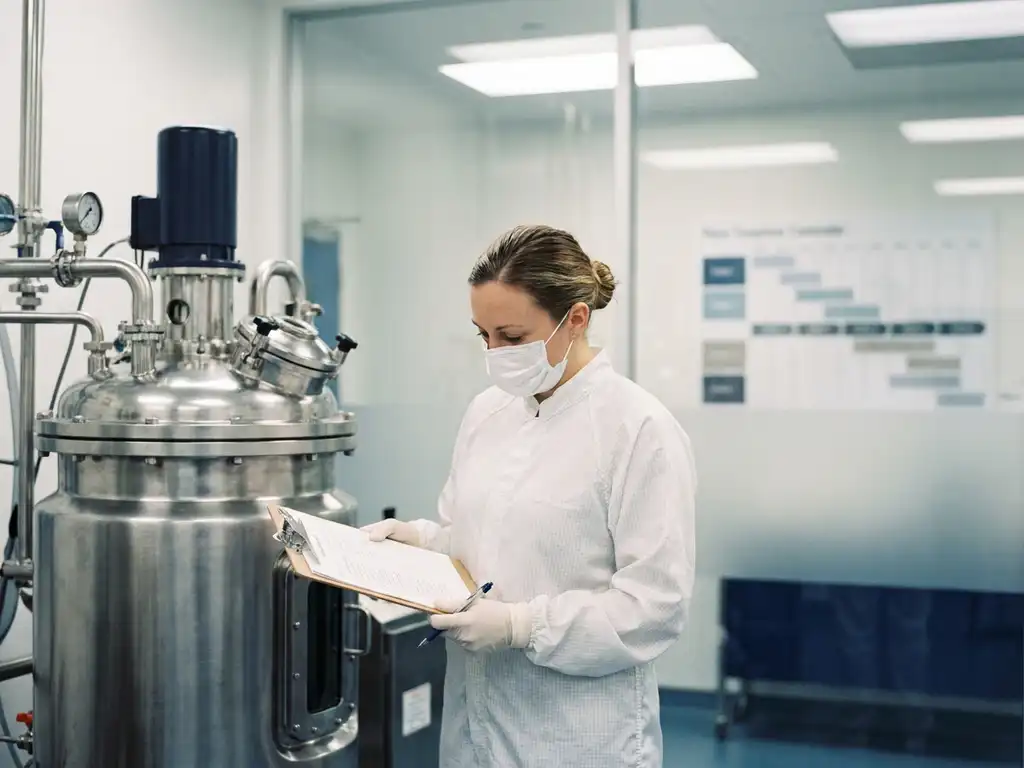
Becoming GMP compliant typically takes anywhere from a few months to over two years, depending on the size of your organisation, the current state of your quality systems, and the type of product you manufacture. For a small company starting from scratch, twelve to eighteen months is a realistic baseline. For larger organisations with existing infrastructure, a focused remediation effort can move faster. The sections below break down the key questions companies ask when planning their path to GMP compliance.
What factors affect how long GMP compliance takes?
The time required to achieve GMP compliance depends on the complexity of your manufacturing operations, the maturity of your existing quality management system, and the regulatory framework that applies to your product. A startup with no documented procedures faces a fundamentally different journey than an established manufacturer closing specific gaps identified during an audit.
The most influential factors include:
- Product type: Biologics, sterile injectables, and advanced therapy medicinal products (ATMPs) require more complex controls than solid oral dosage forms or low-risk medical devices.
- Regulatory scope: Whether you are targeting EU GMP, FDA cGMP, or both simultaneously affects the documentation requirements and the depth of validation expected.
- Current quality system maturity: Companies with ISO 9001 or ISO 13485 certification already have a quality culture in place, which significantly shortens the gap between where they are and where they need to be.
- Facility and equipment status: Qualification and validation of premises, utilities, and equipment is often the longest-lead activity in any GMP programme.
- Available resources: Dedicated internal teams with regulatory expertise move faster than organisations relying entirely on external support or spreading responsibilities across non-specialist staff.
What are the main steps in the GMP compliance process?
The GMP compliance process follows a broadly consistent sequence regardless of product type: assess your current state, close identified gaps, implement and validate your quality systems, and then demonstrate compliance through internal audits or regulatory inspection readiness. Each step builds on the last, and skipping any stage typically creates problems downstream.
- Gap assessment: Compare your current documentation, processes, and facilities against applicable GMP requirements to identify where shortfalls exist.
- Remediation planning: Prioritise gaps by risk and resource requirement, and build a realistic project plan with ownership and timelines.
- Documentation development: Create or update standard operating procedures (SOPs), quality manuals, batch records, and validation protocols.
- Training: Ensure all relevant personnel understand the updated procedures and can demonstrate compliance in practice.
- Qualification and validation: Qualify equipment, utilities, and facilities; validate manufacturing processes and analytical methods.
- Internal audit: Run a mock inspection or internal audit to verify that the system works as documented before any regulatory review.
- Regulatory inspection or certification audit: Depending on your route to market, this may involve a national competent authority inspection or a third-party certification body audit.
How long does a GMP gap assessment take?
A GMP gap assessment typically takes between one and four weeks, depending on the scope of operations being reviewed. A focused assessment of a single manufacturing site with a defined product scope can often be completed in a week. A multi-site review covering complex biologics or combination products will take longer and may require several rounds of document review and on-site visits.
The output of a gap assessment is a prioritised list of findings mapped against the relevant GMP guidelines, usually accompanied by a recommended remediation roadmap. The quality of this document directly determines how efficiently the rest of the compliance programme runs, so investing adequate time in a thorough assessment pays off significantly in the phases that follow. To understand the full range of GMP compliance services available to support this process, it is worth reviewing what specialist providers can offer before committing to a project plan.
What’s the difference between GMP compliance and GMP certification?
GMP compliance means your manufacturing processes, facilities, and quality systems meet the requirements set out in applicable GMP regulations. GMP certification is a formal, documented confirmation of that compliance, issued either by a regulatory authority (such as a manufacturing authorisation from a national competent authority in the EU) or by an accredited third-party certification body.
In practical terms, compliance is the internal state you achieve through remediation and system implementation. Certification is the external recognition of that state. For medicinal products in the EU, a manufacturing authorisation issued following an inspection by a competent authority is the standard route. For medical devices, ISO 13485 certification from a notified body is the relevant credential. Some companies pursue both, particularly for drug-device combination products where both frameworks apply.
It is worth noting that certification does not permanently confirm compliance. Surveillance audits, re-inspections, and the obligation to notify authorities of significant changes mean that maintaining compliance is an ongoing operational commitment, not a one-time achievement.
What causes delays in achieving GMP compliance?
The most common causes of delay in GMP compliance programmes are underestimating the scope of the gap assessment, inadequate project resourcing, and slow validation activities. Many organisations also lose time when documentation development is assigned to staff who lack regulatory writing experience, resulting in repeated review cycles.
Other frequent contributors to timeline slippage include:
- Incomplete or inconsistent change control when updating existing procedures, which triggers cascading document revisions
- Equipment or facility qualification failures that require root cause investigation and re-qualification runs
- Supplier qualification bottlenecks, particularly when critical material suppliers are not yet GMP-audited
- Regulatory intelligence gaps, where teams implement requirements based on outdated guidelines rather than current expectations
- Internal competing priorities, where compliance work is deprioritised in favour of commercial or operational demands
Planning for these risks explicitly in the project timeline, rather than treating them as unlikely exceptions, is one of the most reliable ways to keep a GMP compliance programme on schedule.
When should you bring in a GMP regulatory consultant?
You should consider bringing in a GMP regulatory consultant as early as the gap assessment stage, particularly if your internal team lacks direct experience with the specific regulatory framework or product type involved. External expertise is especially valuable when timelines are tight, when a regulatory inspection is approaching, or when previous internal efforts have stalled. Learning more about who we are and how we work can help you determine whether a particular consultancy is the right fit for your organisation’s needs.
Consultants add the most value in situations where:
- Your organisation is entering a new regulatory market and needs guidance on local GMP expectations
- You are developing a novel product type, such as an ATMP or a combination product, where standard GMP guidance does not fully address the product-specific risks
- An inspection finding or warning letter requires a rapid and credible corrective and preventive action (CAPA) response
- Internal resource constraints mean that a compliance project would otherwise extend the time to market significantly
The key is to engage consultants who have direct, practical experience with your product category and the relevant regulatory authorities, rather than generalists who bring broad quality management knowledge without deep regulatory domain expertise.
How Starodub Supports Your Path to GMP Compliance
We work alongside biopharmaceutical and medical device companies at every stage of the GMP compliance journey, from initial gap assessments through to inspection readiness and ongoing compliance maintenance. Our team brings hands-on experience with EU GMP requirements across small molecules, biologics, ATMPs, and medical devices, including complex combination products.
When you work with us, you can expect:
- Structured gap assessments that map your current systems against applicable GMP and ISO requirements and produce a clear, prioritised remediation roadmap
- Documentation support from regulatory professionals with experience writing SOPs, validation protocols, and quality manuals that meet competent authority expectations
- Inspection readiness preparation, including mock audits and targeted training to ensure your team is confident and prepared
- Quality, compliance, and operational improvement services led by Lean Six Sigma Master Black Belts, helping you build efficient processes that sustain compliance over time
- A single point of contact backed by a team of specialists, so communication stays efficient and nothing falls through the cracks
If you are planning a GMP compliance programme or need expert support to accelerate an existing one, get in touch with us to discuss how we can help you reach your regulatory milestones efficiently and with confidence.
Related Articles
- How do you prepare a regulatory submission for the EMA?
- How do regulatory submissions differ between the FDA and EMA?
- What are the market access requirements in China for medical devices?
- Can you improve approval timelines by working with regulatory experts?
- What are the benefits of ISO 13485 certification?
This content was generated with the help of AI and it may contain mistakes