How does digital transformation affect GMP compliance requirements?
Digital transformation raises GMP compliance stakes — discover what pharma teams must address before going live.


Digital transformation raises GMP compliance stakes — discover what pharma teams must address before going live.

Quality culture separates genuine GMP compliance from paper-only conformance — here's what that means in practice.

GMP compliance protects patients and your license to operate — here's what every manufacturer must know.

Discover what FDA investigators examine during a GMP inspection — and how to respond effectively to findings.

GMP compliance can take months or years — here's what actually drives the timeline and how to avoid costly delays.

Small manufacturers can achieve GMP compliance — discover lean, practical strategies that work without a large QA team.

GMP vs. cGMP isn't just semantics — one letter changes your entire compliance obligation. Here's what manufacturers must know.

Early HTA dialogue can make or break market access—here's what drug developers need to know.

Regulatory fragmentation, pricing controls, and IP gaps make Latin America complex — here's how to navigate each barrier.
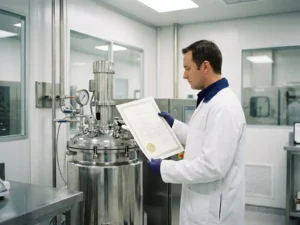
GMP compliance and certification aren't the same — understanding the difference protects your market access and regulatory standing.

PMDA and FDA differ in timelines, bridging data, and post-approval rules — here's what drug developers must know.

Asia's fragmented regulatory landscape demands a tailored market access strategy — here's how to build one that works.

ANVISA registration can take 12–60 months — here's what foreign companies must know before entering Brazil's market.

South Korea's HIRA reimbursement process: six steps, 12–18 months, and multiple stakeholders — here's what pharma companies must know.

Regulatory approval confirms safety — HTA determines value. Here's what every market access strategy must account for.

China's NMPA registration process for medical devices can take up to 5 years — here's what foreign manufacturers must know.

Strategy plans regulatory pathways while operations executes submissions - discover how both functions drive pharmaceutical product approvals together.

Transform regulatory submissions with QbD principles - reduce approval times, enhance flexibility, and streamline compliance through science-based development strategies.