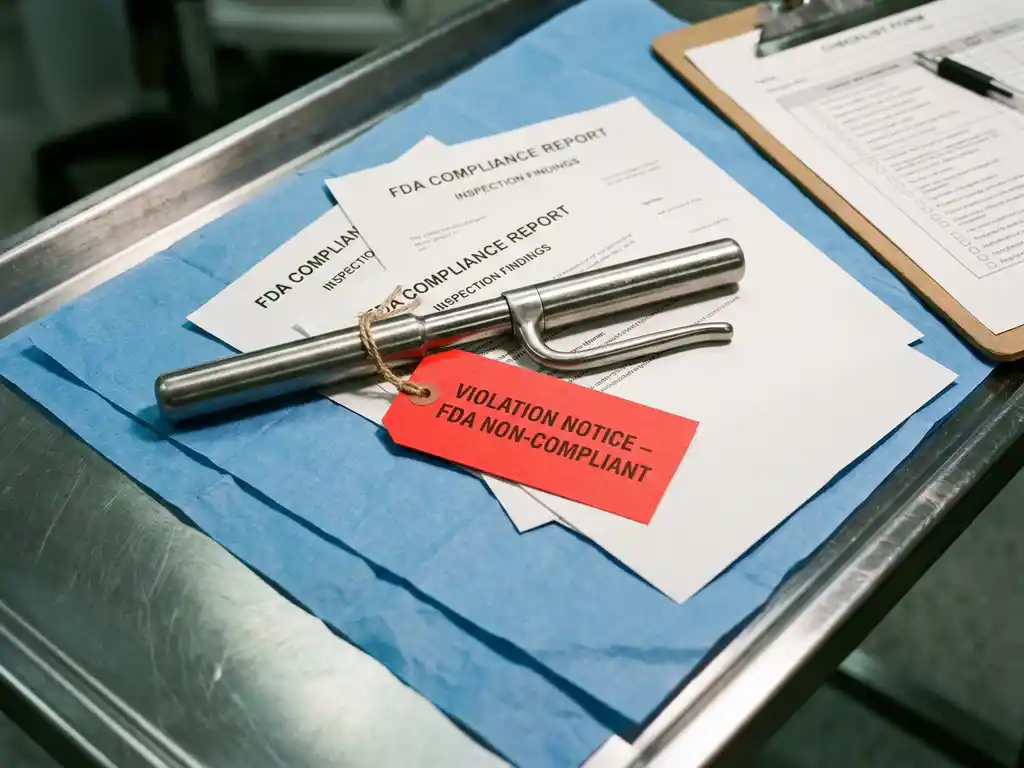
Medical device regulatory violations occur when manufacturers fail to comply with FDA requirements, ranging from inadequate quality systems to poor documentation practices. The most common violations include design control failures, insufficient corrective and preventive actions (CAPA), and incomplete device master records. Understanding these violations helps manufacturers maintain compliance and avoid costly regulatory consequences that can delay market access and disrupt business operations.
What are the most frequent medical device regulatory violations?
Quality system failures, design control deficiencies, inadequate documentation, and insufficient CAPA processes are among the most frequently cited violations during FDA inspections. These violations often stem from incomplete implementation of quality management systems rather than intentional noncompliance.
Quality system violations under 21 CFR 820 appear in nearly every FDA inspection because they form the foundation of medical device regulation. Companies frequently struggle to establish appropriate management responsibility structures, maintain adequate resource allocation, and implement effective quality planning processes. These systemic issues cascade into other compliance areas, creating multiple citation points during inspections.
Design control violations rank among the top citations because many manufacturers underestimate the complexity of 21 CFR 820.30 requirements. Common failures include incomplete design planning, inadequate documentation of design inputs and outputs, insufficient design reviews, and weak verification and validation processes. These deficiencies often reflect a fundamental misunderstanding of how design controls integrate with overall quality systems.
Documentation violations are common because medical device regulation demands comprehensive recordkeeping throughout the product lifecycle. Manufacturers often maintain incomplete device master records, inadequate change control documentation, and insufficient traceability records. Poor documentation practices can make it impossible to demonstrate compliance even when proper processes exist.
Why do medical device companies struggle with design control requirements?
Design control regulations under 21 CFR 820.30 require systematic documentation and verification throughout product development, but many companies treat them as paperwork exercises rather than integrated quality processes. This misunderstanding leads to incomplete implementation and frequent FDA citations.
The complexity of design control requirements often overwhelms manufacturers that lack experience with medical device regulation. Design planning must establish procedures for controlling design activities, assign responsibilities, and define interfaces between different groups. Many companies create superficial design plans that fail to address the interconnected nature of design activities, resulting in gaps that become apparent during FDA inspections.
Design inputs and outputs documentation challenges manufacturers because the FDA expects complete traceability between user needs, design requirements, and final device specifications. Companies frequently struggle to capture all relevant design inputs, including regulatory requirements, safety considerations, and performance specifications. Similarly, design outputs often lack sufficient detail to enable proper verification and validation activities.
Design reviews, verification, and validation processes require significant resources and expertise that many manufacturers underestimate. Effective design reviews need participants with appropriate expertise who can identify potential problems before they become costly issues. Verification activities must demonstrate that design outputs meet design inputs, while validation must prove the device meets user needs under actual use conditions.
What happens when a medical device company receives an FDA warning letter?
FDA warning letters require immediate attention and a formal response within 15 working days, outlining specific corrective actions and timelines for addressing cited violations. Failure to respond adequately can result in product seizure, injunctions, or criminal prosecution.
The warning letter process begins when the FDA determines that violations observed during an inspection represent significant departures from regulatory requirements. The agency issues warning letters for violations that could reasonably result in serious injury or death, or when companies demonstrate patterns of noncompliance across multiple inspection areas.
Immediate response requirements include acknowledging receipt of the warning letter and providing a detailed corrective action plan within 15 working days. This response must address each violation specifically, describe immediate corrective actions taken, outline long-term preventive measures, and provide realistic timelines for completion. The FDA expects responses to demonstrate a thorough understanding of the violations and a commitment to achieving sustainable compliance.
Companies must implement corrective actions promptly while maintaining detailed documentation of all improvement activities. The FDA may conduct follow-up inspections to verify that corrective actions effectively address cited violations. Inadequate responses or failure to implement promised corrective actions can escalate enforcement actions, including consent decrees, product recalls, or facility shutdowns.
The business impact extends beyond immediate compliance costs to include potential market access restrictions, customer confidence issues, and increased regulatory scrutiny for future submissions. Warning letters become public documents that can affect business relationships, investor confidence, and competitive positioning in the marketplace.
How can medical device manufacturers avoid common compliance pitfalls?
Establishing robust quality management systems, implementing effective CAPA processes, maintaining comprehensive documentation, and conducting regular internal audits create a strong foundation for regulatory compliance. Proactive compliance strategies cost significantly less than reactive responses to FDA citations.
Quality management system implementation requires commitment from senior management and integration across all business functions. Successful systems establish clear procedures, assign specific responsibilities, and create accountability mechanisms that ensure consistent compliance. Companies should focus on creating practical procedures that employees can follow consistently rather than complex systems that become compliance obstacles.
Effective CAPA processes identify potential problems early and implement systematic solutions that prevent recurrence. Many manufacturers treat CAPA as reactive problem-solving rather than proactive risk management. Robust CAPA systems analyze trends, identify root causes, and implement corrective actions that address systemic issues rather than individual symptoms.
Documentation strategies should balance regulatory requirements with practical business needs. Companies need comprehensive records that demonstrate compliance without creating excessive administrative burdens. Electronic quality management systems can streamline documentation while ensuring proper version control, change management, and record retention.
Internal audit programmes provide early warning systems for potential compliance issues before FDA inspections occur. Effective audits evaluate both procedural compliance and system effectiveness, identifying improvement opportunities that strengthen overall quality performance. Regular management reviews ensure that audit findings receive appropriate attention and resources for resolution.
How Starodub helps with medical device regulatory compliance
We provide comprehensive regulatory affairs services that help medical device manufacturers establish robust compliance programmes and avoid common regulatory violations. Our expertise spans quality system implementation, regulatory strategy development, and ongoing compliance support throughout the product lifecycle.
Our medical device regulatory compliance services include:
- Compliance gap assessments that identify potential regulatory vulnerabilities before they become FDA citations
- Quality management system implementation aligned with ISO 13485 and FDA 21 CFR 820 requirements
- Design control process development that integrates seamlessly with product development activities
- CAPA system establishment that transforms reactive problem-solving into proactive risk management
- Documentation strategy development that balances regulatory requirements with operational efficiency
- Internal audit programme design that provides early warning systems for compliance issues
- FDA inspection preparation and response support to minimize regulatory risks
We understand that effective medical device regulatory compliance requires more than procedural documentation—it demands integrated quality thinking that becomes part of your business culture. Our team works with you to develop practical, sustainable compliance strategies that support both regulatory requirements and business objectives.
Contact us today to discuss how we can help strengthen your medical device regulatory compliance programme and avoid costly violations that could affect your market access and business success.
Related Articles
- What makes an eCTD submission technically compliant?
- What is the difference between regulatory strategy and regulatory operations?
- Biologics vs. Small Molecules: How Regulatory Requirements Differ
- Why is regulatory affairs important for biotech companies?
- What is the difference between CE marking and FDA approval?
This content was generated with the help of AI and it may contain mistakes