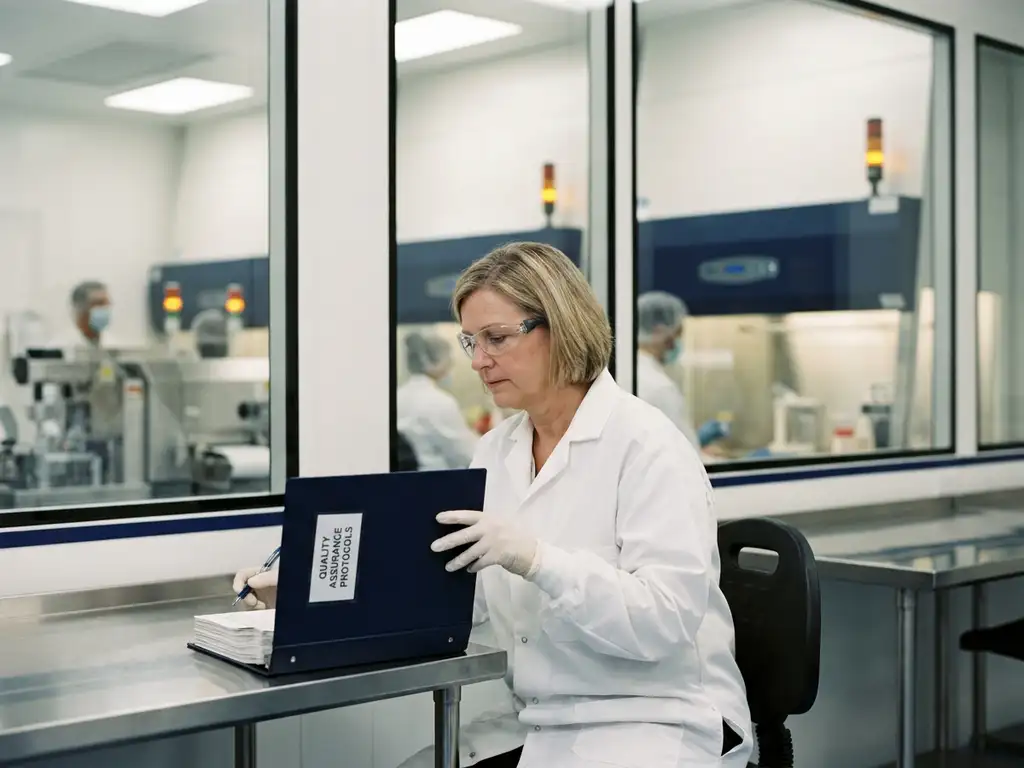
Quality culture is the foundation that determines whether GMP compliance is genuine or merely cosmetic. When people across an organisation genuinely believe in quality, GMP requirements stop being a checklist and start being a shared standard that guides every decision on the shop floor. The sections below unpack the key questions around quality culture and what it means for pharmaceutical and biopharmaceutical organisations in practice.
How does quality culture actually influence GMP outcomes?
Quality culture directly shapes GMP outcomes by determining how employees behave when no one is watching. A strong quality culture means staff report deviations promptly, follow procedures consistently, and raise concerns before they become non-conformances. Without it, even the most detailed SOPs fail because the human element breaks down at the point of execution.
The link between culture and compliance is not abstract. When quality is genuinely valued, deviation rates tend to fall, CAPA effectiveness improves, and inspection readiness becomes a continuous state rather than a last-minute scramble. Organisations with embedded quality mindsets also tend to catch systemic issues earlier, reducing the risk of repeat findings during regulatory inspections.
Conversely, a weak quality culture creates invisible risk. Staff may complete documentation after the fact, skip steps under time pressure, or avoid raising concerns for fear of blame. These behaviours are difficult to detect through document review alone, yet they are precisely what regulatory inspectors are trained to identify during on-site audits.
What are the key elements of a strong pharmaceutical quality culture?
A strong pharmaceutical quality culture rests on five interconnected elements: visible leadership commitment, psychological safety, shared ownership of quality outcomes, transparent communication, and continuous learning. Together, these create an environment where doing the right thing is both expected and supported at every level of the organisation. To learn more about how Starodub helps organisations build these foundations, visit our services overview.
- Visible leadership commitment: Senior leaders who actively participate in quality reviews, walk the shop floor, and respond constructively to quality issues signal that compliance is a genuine priority.
- Psychological safety: Employees must feel safe reporting errors, near-misses, and concerns without fear of punishment. Blame-free reporting is a prerequisite for honest data.
- Shared ownership: Quality is not the sole responsibility of the QA department. Production, engineering, supply chain, and commercial teams all contribute to or undermine GMP compliance daily.
- Transparent communication: Quality metrics, inspection findings, and CAPA progress should be shared openly across the organisation, not siloed within QA teams.
- Continuous learning: Organisations with strong quality cultures treat deviations as learning opportunities, not failures to be minimised or hidden.
What’s the difference between quality culture and a quality management system?
A quality management system (QMS) is the documented framework of policies, procedures, and controls that define how quality is managed. Quality culture is the set of shared values, beliefs, and behaviours that determine whether that framework is followed in practice. The QMS tells people what to do; quality culture determines whether they actually do it.
Think of the QMS as the architecture and quality culture as the people who live and work inside it. An organisation can have a meticulously designed QMS that is ISO 13485-certified and fully ICH Q10-aligned, yet still experience repeated GMP failures if the culture does not support genuine compliance. The documents exist on paper, but the behaviours do not match.
This distinction matters enormously during regulatory inspections. Inspectors reviewing a QMS can assess whether the right procedures exist. Assessing quality culture requires them to observe interactions, ask open questions, and look for signs that quality is embedded in day-to-day decision-making rather than confined to the quality department.
How does leadership behaviour shape GMP compliance on the shop floor?
Leadership behaviour is the single most powerful driver of GMP compliance on the shop floor. When managers prioritise speed over quality, accept shortcuts under production pressure, or respond to quality concerns with frustration rather than curiosity, those signals travel fast. Frontline staff calibrate their own behaviour to what leadership actually rewards, not what policy documents say.
The reverse is equally true. Leaders who stop production when a quality concern arises, who ask thoughtful questions during Gemba walks, and who recognise employees for raising issues rather than hiding them actively reinforce a compliance-first mindset. These behaviours communicate that quality is non-negotiable, regardless of schedule pressure or commercial urgency.
ICH Q10, the internationally recognised pharmaceutical quality system guideline, explicitly identifies management responsibility as a foundational element of an effective quality system. This is not coincidental. Regulatory frameworks have long recognised that sustainable GMP compliance cannot be engineered through documentation alone; it requires active, visible leadership engagement.
Why do GMP inspectors assess quality culture during audits?
GMP inspectors assess quality culture because documentation alone cannot predict whether a facility will maintain compliance between inspections. Culture reveals the underlying reliability of a quality system. Inspectors from agencies including the EMA, FDA, and national competent authorities are trained to look beyond procedures and assess whether quality values are genuinely embedded in the organisation.
During an inspection, cultural signals are everywhere. How staff respond to unscripted questions, whether employees can explain the purpose of a procedure rather than just reciting it, how management reacts to unexpected findings, and whether the quality team appears empowered or marginalised all provide meaningful data about the organisation’s true compliance posture.
Regulatory agencies have increasingly formalised this focus. The EMA’s reflection paper on quality culture and various FDA warning letters highlight cultural deficiencies as root causes of systemic GMP failures. An organisation that passes an inspection on documentation but shows signs of a weak quality culture is likely to receive closer scrutiny during follow-up visits.
How can organisations measure and improve their quality culture?
Organisations can measure quality culture through a combination of quantitative indicators and qualitative assessment methods. No single metric captures culture completely, but a structured approach across multiple data sources gives a reliable picture of where the organisation stands and where intervention is needed.
Quantitative indicators to track
- Deviation and CAPA closure rates and repeat findings
- Voluntary near-miss and error reporting frequency
- Training completion and competency assessment results
- Time taken to escalate quality concerns to management
- Internal audit findings trends over time
Qualitative assessment methods
- Anonymous employee surveys focused on psychological safety and quality values
- Structured interviews or focus groups with frontline staff
- Behavioural observation during Gemba walks
- Review of how management responds to quality events in real time
Improving quality culture requires sustained effort rather than a single initiative. Training programmes help, but they are insufficient on their own. The most effective improvements combine leadership coaching, changes to how quality events are discussed and responded to, and structural changes that give quality teams genuine authority. Organisations that apply Lean principles to quality improvement often find that reducing waste and frustration in quality processes makes compliance easier to sustain, which itself reinforces positive cultural attitudes toward GMP requirements.
How Starodub supports quality culture and GMP compliance
We understand that GMP compliance is not just about having the right documents in place. It requires the people, processes, and mindset to back them up. At Starodub, we help biopharmaceutical and medical device companies build the foundations for genuine, sustainable compliance through both regulatory expertise and quality improvement support. You can find out more about our company and the experience we bring to every engagement.
Here is how we can help:
- Regulatory affairs guidance: We support your regulatory strategy and submissions across the EU and beyond, ensuring your quality systems meet the expectations of competent authorities from the outset.
- Quality, Compliance and Operational Improvements: Our dedicated division, led by Lean Six Sigma Master Black Belts with over 25 years of pharmaceutical industry experience, works with your team to identify gaps, reduce inefficiencies, and strengthen the quality behaviours that underpin GMP compliance.
- GMP readiness support: We help you prepare for inspections by assessing not only your documentation but also the practical compliance posture of your organisation.
- Tailored training and coaching: We offer targeted support to build quality awareness and ownership across all functions, not just within the QA department.
If you want to move from compliance on paper to compliance in practice, we would love to talk. Contact Starodub today to find out how we can support your quality culture and GMP compliance goals.
Related Articles
- What is the difference between GMP compliance and GMP certification?
- The Drug Registration Process in Europe: Step-by-Step Explained
- What Is a Marketing Authorisation Application (MAA) and How Does the Process Work?
- What does Class II medical device classification mean?
- How does the EU MDR approval process work?
This content was generated with the help of AI and it may contain mistakes