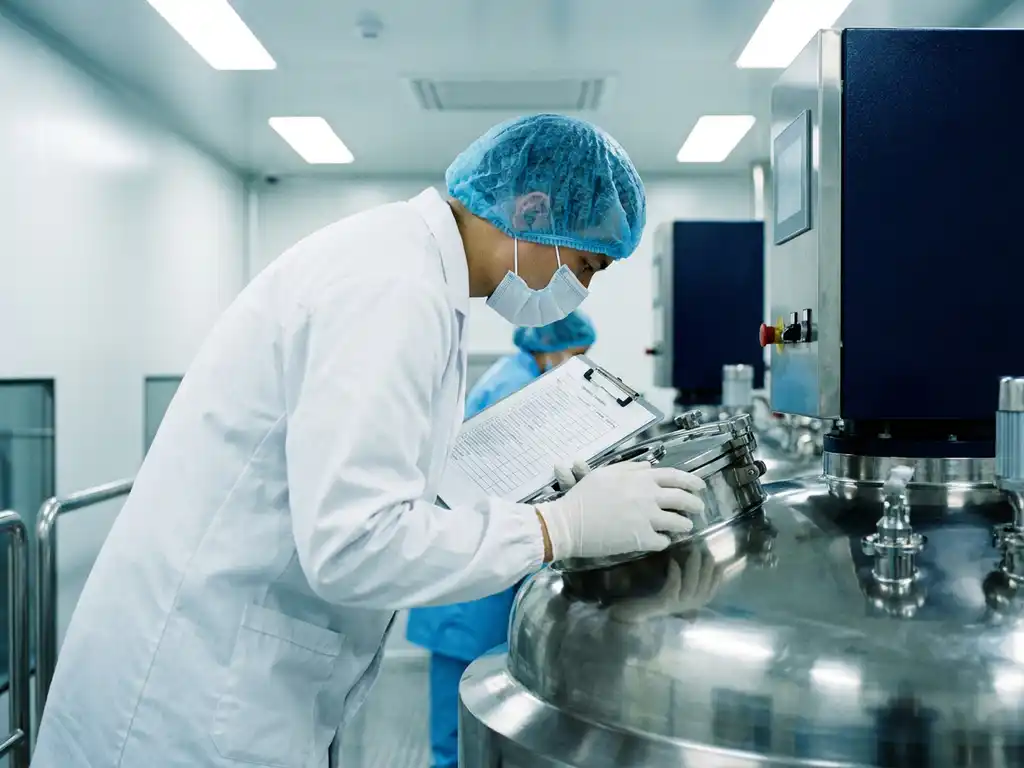
An FDA GMP compliance inspection is a formal evaluation conducted by FDA investigators to verify that a manufacturer is producing products in accordance with Current Good Manufacturing Practice regulations. Investigators examine facilities, processes, records, and personnel to confirm that quality systems are functioning as intended and that products are safe, effective, and consistently manufactured. The sections below walk through every key stage of the process, from what inspectors look for to how companies should respond when findings are issued.
What do FDA investigators actually look for during a GMP inspection?
FDA investigators look for evidence that a company’s quality system controls are in place, functioning, and consistently followed. Their focus spans manufacturing processes, documentation practices, laboratory controls, equipment qualification, personnel training, and complaint handling. The goal is to confirm that every batch of product is made and tested the same way, every time.
Inspections typically follow a systems-based approach. Rather than reviewing every single procedure, investigators assess the health of interconnected quality systems. Common areas of scrutiny include:
- Quality system: Change control, deviation management, CAPA effectiveness, and management review
- Facilities and equipment: Qualification status, maintenance logs, and environmental monitoring
- Materials control: Supplier qualification, raw material testing, and storage conditions
- Production controls: Batch records, in-process testing, and process validation
- Laboratory controls: Method validation, out-of-specification investigations, and data integrity
- Packaging and labeling: Reconciliation procedures and label control systems
Data integrity has become a particularly prominent focus in recent years. Investigators pay close attention to audit trails, original records, and whether electronic systems prevent unauthorized changes. Any gap between what procedures say and what records show will draw immediate attention.
How long does an FDA GMP compliance inspection typically take?
An FDA GMP inspection typically lasts between two and five business days for a routine surveillance inspection at a mid-sized facility. The actual duration depends on the size and complexity of the site, the number of product lines, the scope of the inspection, and whether significant issues are uncovered during the review.
Pre-approval inspections tied to a specific application, such as an NDA or BLA, can run longer if the product is complex or if investigators need to verify process validation data in depth. For large biologics or vaccine manufacturing sites, inspections of seven to ten days are not uncommon. Conversely, a focused for-cause inspection triggered by a complaint or import alert may be shorter but far more intensive in its targeted area.
What happens during the opening conference of an FDA inspection?
The opening conference is the formal start of an FDA inspection, where investigators introduce themselves, present their credentials, explain the scope and purpose of the visit, and outline how they intend to conduct the inspection. This meeting sets the tone for the entire engagement and gives the company an opportunity to present its site and organizational structure.
During the opening conference, companies should have senior quality and operations leadership present. Investigators will typically ask for an overview of the facility, a list of products manufactured, and key documents such as the site master file or quality manual. Designating a single point of contact to accompany investigators throughout the inspection is strongly advisable. This person should be knowledgeable, calm under pressure, and empowered to retrieve documents promptly without creating delays that could raise unnecessary concern. If you are unsure whether your team is adequately prepared for this stage, learning more about our GMP inspection readiness services can help you identify the right level of support.
What is a Form 483 and when does FDA issue one?
A Form 483 is an official FDA document listing observations made by investigators during an inspection where conditions or practices were found that, in their judgment, may constitute violations of the Food, Drug, and Cosmetic Act. FDA issues a Form 483 at the end of an inspection during the closing conference if any such observations were noted.
It is important to understand that a Form 483 observation is not a final agency determination of a violation. It reflects the investigator’s findings at that point in time. Companies have the right to respond in writing, typically within 15 business days, providing corrective actions, timelines, and supporting evidence. A strong, substantive response can prevent an observation from escalating into formal regulatory action.
What’s the difference between a Warning Letter and an FDA 483 observation?
The key difference is severity and legal weight. A Form 483 observation is an investigator-level finding issued at the close of an inspection, while a Warning Letter is a formal agency communication issued by FDA headquarters after a review of inspection findings and company responses. A Warning Letter signals that FDA considers the violations significant and expects prompt corrective action.
The escalation path generally works as follows:
- Form 483 issued: Investigators document observations at the end of the inspection
- Company response submitted: The company addresses each observation with corrective actions
- FDA review: The district office and, where relevant, headquarters review the response
- Warning Letter issued: If FDA finds the response inadequate or violations serious, a Warning Letter follows
Warning Letters are publicly posted on the FDA website and carry significant commercial consequences, including potential import alerts, supply chain disruptions, and reputational damage. Responding to a Warning Letter demands far more rigorous documentation and a demonstrated commitment to systemic remediation than responding to a 483 alone.
How should a company respond to FDA inspection findings?
A company should respond to FDA inspection findings promptly, specifically, and with documented evidence of corrective action. Vague commitments to “review procedures” are insufficient. Each observation requires a root cause analysis, a concrete corrective action with a realistic timeline, and, where possible, evidence that the correction has already been implemented.
Effective responses share several characteristics:
- Acknowledge the observation: Avoid arguing with the finding at this stage; focus on resolution
- Provide root cause analysis: Demonstrate that the underlying cause has been identified, not just the symptom
- Detail corrective and preventive actions: Explain what will change and how the change will be sustained
- Include supporting documentation: Attach updated SOPs, training records, or validation data where relevant
- Set realistic timelines: Overpromising and underdelivering damages credibility with the agency
Companies that respond well to a Form 483 often prevent escalation entirely. Those that respond poorly, or not at all, signal to FDA that quality culture is lacking, which increases the likelihood of a Warning Letter and more frequent future inspections. Understanding how Starodub approaches regulatory compliance can give you a clearer picture of what a structured, experienced response process looks like.
How Starodub supports your GMP compliance inspection readiness
Navigating an FDA GMP inspection requires more than good intentions. It demands robust documentation, trained personnel, audit-ready systems, and a clear strategy for responding to findings. At Starodub, we work with biopharmaceutical and medical device companies to build and maintain the quality infrastructure that inspections demand.
Our support includes:
- Pre-inspection readiness assessments to identify gaps before FDA does
- Mock inspections conducted by regulatory professionals with direct inspection experience
- Review and strengthening of quality systems, SOPs, and deviation management processes
- Coaching for inspection hosts and subject matter experts on how to interact with investigators
- Drafting and reviewing responses to Form 483 observations and Warning Letters
- Post-inspection CAPA support to ensure sustainable corrective actions are in place
Whether you are preparing for a routine surveillance inspection, a pre-approval inspection, or managing an active regulatory response, we bring the expertise and hands-on support to help you move forward with confidence. Contact Starodub today to discuss how we can help your team achieve and maintain GMP compliance.
Related Articles
- What makes a drug development strategy fail in early clinical stages?
- How does GMP compliance differ between FDA and EMA standards?
- What is GMP compliance and why does it matter?
- How do you handle regulatory compliance for AI-powered medical devices?
- What are the key differences between IVDR and MDR regulations?
This content was generated with the help of AI and it may contain mistakes